November 25, 2026
Heavy rainfall can quickly overwhelm a residential wastewater system, turning a minor yard puddle into a costly plumbing and environmental hazard. Understanding how excess moisture affects your drainfield is essential for protecting your property, preserving water quality, and avoiding premature system failure. Drainfields treat and disperse household wastewater safely into surrounding soil, yet prolonged storms and saturated ground disrupt this natural process. By learning how heavy precipitation interferes with treatment and adopting proactive habits, homeowners and communities can keep septic infrastructure operating reliably through severe weather.
Understanding Septic System Components and Drainfield Functions
A conventional septic system relies on three primary components working together: the septic tank, the distribution box, and the drainfield, also called a leach field. Inside the tank, wastewater separates into layers as heavy solids settle to the bottom as sludge and lighter oils float to the top as scum. Naturally occurring bacteria break down organic solids before clarified liquid, called effluent, flows through the distribution box into perforated pipes in the drainfield. Once dispersed into gravel-lined trenches and soil, beneficial microbes filter pathogens and nutrients before water replenishes groundwater. According to the U.S. Environmental Protection Agency (EPA), more than 1 in 5 U.S. households rely on septic systems for wastewater treatment. Keeping these systems healthy during wet weather is vital to public health and environmental safety.
Evaluating Soil Characteristics and Drainfield Designs
Soil composition largely dictates how effectively a drainfield absorbs and purifies effluent during wet weather. Loamy soils offer an ideal balance of permeability and filtration, whereas dense clay soils drain slowly and saturate rapidly during downpours. Conversely, overly sandy soils allow water to percolate so quickly that effluent may reach groundwater before microbes complete treatment. Because site conditions vary widely, engineers tailor drainfield designs to match soil permeability, slope, and water table depth. While conventional trench systems remain standard on well-draining lots, properties with shallow bedrock or high groundwater often require mound, bed, or pressurized drip systems for safe wastewater treatment.
Analyzing Hydraulic Overloading and Surface Runoff
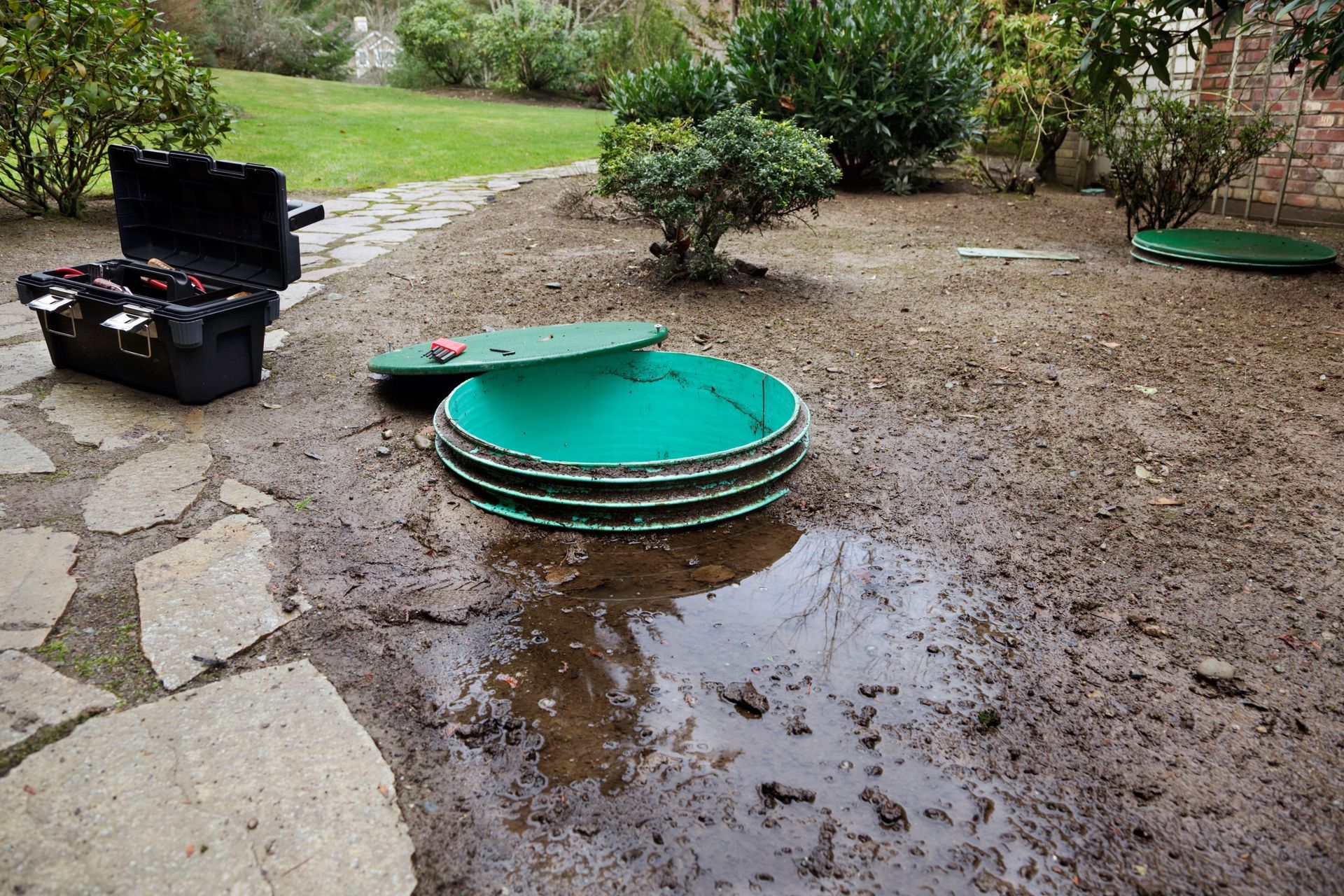
Intense or prolonged rainfall threatens drainfield performance primarily through soil saturation and hydraulic overloading. When rain fills pore spaces within the soil, oxygen is displaced and the ground loses its capacity to absorb incoming effluent from the septic tank. Hydraulic overloading occurs whenever the combined volume of household wastewater and rainwater exceeds the drainfield's treatment capacity. Surface runoff from roofs, driveways, and sloped yards compounds this issue by funneling extra water over the leach field. In the short term, hydraulic overload causes sluggish drains, sewage backups, and contaminated pooling water. Over time, repeated flooding compacts soil structure, accelerates clogging, and shortens the lifespan of the septic system.
Protecting Soil Bacteria During Extreme Wet Weather
Healthy microbial communities are the unseen workforce behind every effective drainfield, digesting organic pollutants and neutralizing pathogens before effluent reaches deeper aquifers. Heavy rainfall disrupts this biological balance in two ways. First, surging groundwater and infiltrating rainwater dilute bacterial populations and wash partially treated effluent deeper into the soil prematurely. Second, prolonged waterlogging creates anaerobic conditions that suffocate oxygen-dependent bacteria responsible for waste breakdown. Homeowners can preserve resilient microbial activity by avoiding harsh chemical drain cleaners, excessive antibacterial soaps, and bleach-heavy discharges, which weaken beneficial bacteria when the drainfield needs maximum biological treatment capacity.
Identifying Early Warning Signs of Drainfield Stress
Recognizing early symptoms of a rain-stressed drainfield allows homeowners to intervene before minor hydraulic strain escalates into system failure. Watch closely for these warning signs during and after major storms:
- Surface Ponding: Standing water or soggy ground directly over the drainfield indicates that saturated soil can no longer absorb incoming effluent.
- Sluggish Indoor Drains: Slow-draining sinks, gurgling toilets, and plumbing backups occur when water in the drainfield has nowhere to go.
- Unpleasant Odors: Foul sewage smells lingering near the leach field, tank lids, or indoor drains signal incomplete treatment and escaping gases.
- Unusual Vegetation Growth: Strips of unusually lush grass above drainfield trenches point to excess moisture and nutrients rising near the surface, attracting invasive roots.
- Soil Erosion or Compaction: Heavy runoff can wash away protective topsoil, while driving vehicles or mowers over wet ground crushes soil pores and blocks drainage.
Preventing Water Accumulation Through Strategic Landscaping
Thoughtful yard grading and landscaping serve as a vital defense against storm-related drainfield saturation. Grading the soil around your home and leach field so runoff flows away from the septic area prevents rainwater from pooling above perforated pipes. Planting native, deep-rooted grasses and shallow groundcovers stabilizes topsoil, prevents erosion, and promotes evaporation without risking root intrusion into underground lines. Keep trees, shrubs, and gardens away from the drainfield perimeter. Installing shallow diversion swales, earthen berms, or curtain drains uphill from the leach field also intercepts hillside runoff before it infiltrates the absorption zone.
Scheduling Routine Inspections and Septic Pumping
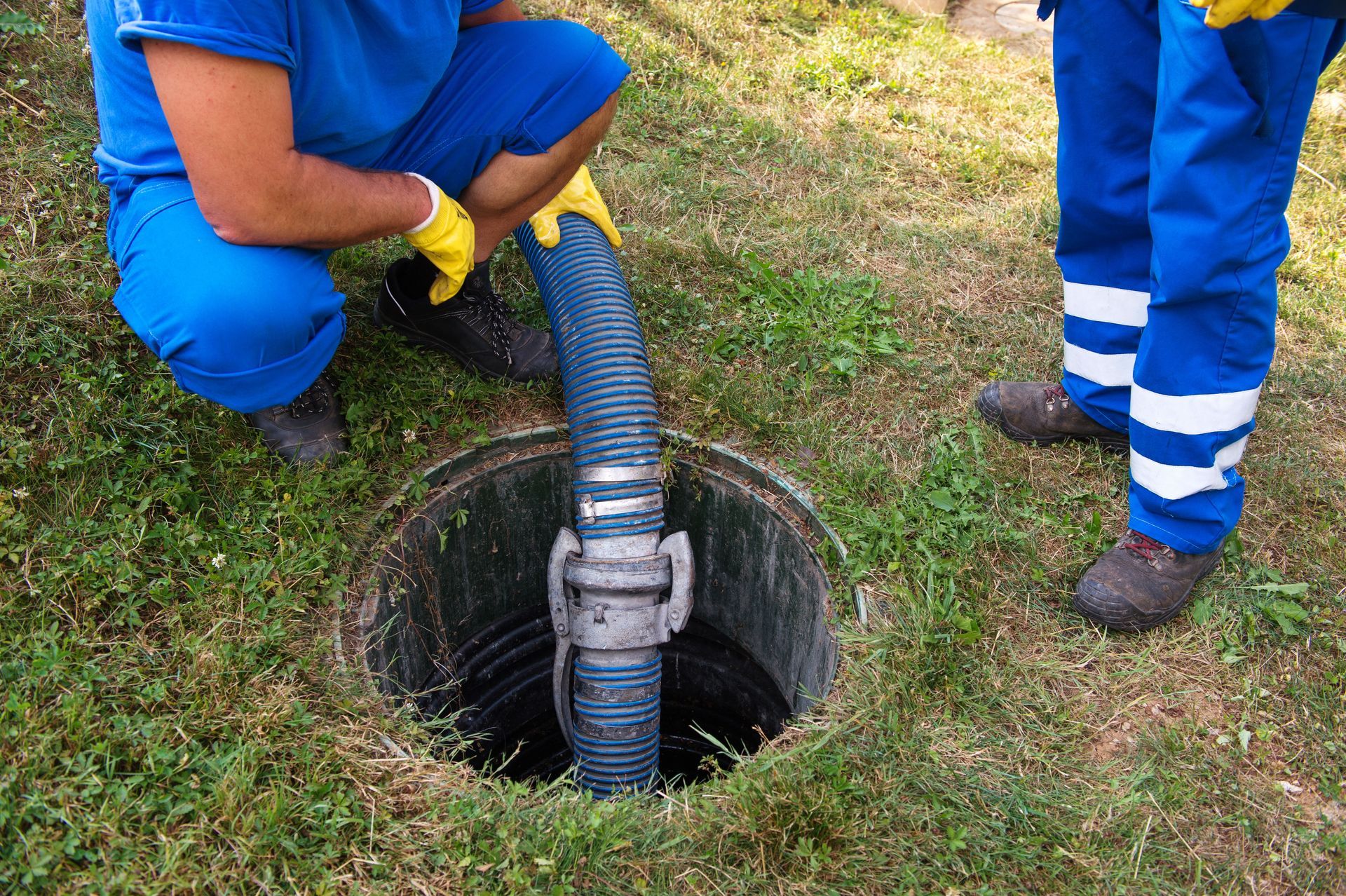
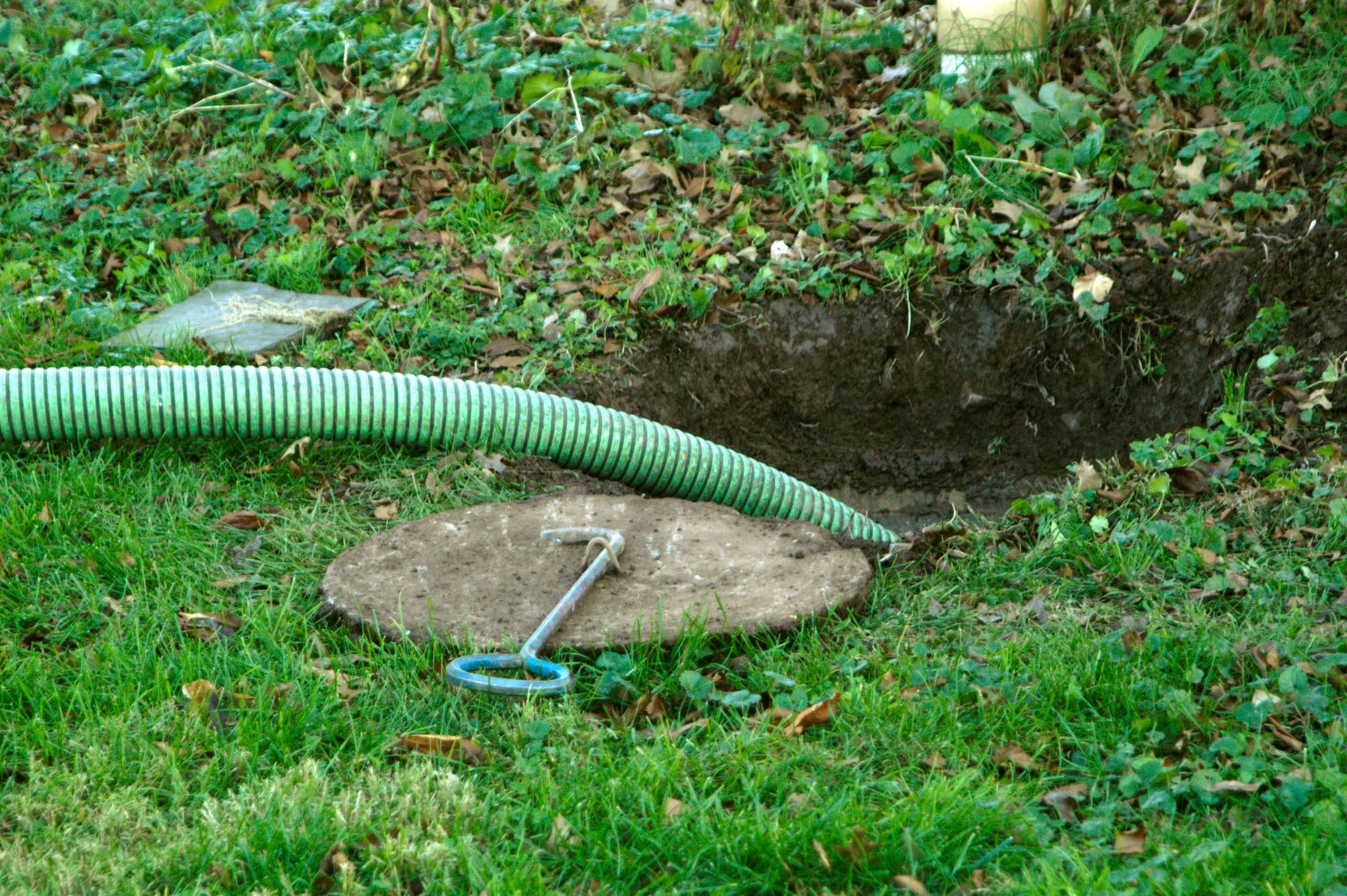
Consistent preventative care is the most dependable way to prepare a septic system for severe weather. The EPA advises homeowners to have systems inspected at least every three years and to schedule routine septic pumping every three to five years, depending on household size and tank volume. Regular septic pumping removes accumulated sludge and scum before high water flows can flush solids out of the tank and into drainfield trenches, where they permanently clog soil pores. During an inspection, a technician checks baffles, distribution boxes, and tank seals to ensure rainwater is not leaking through cracked lids or damaged risers. Booking preventative septic pumping ahead of rainy seasons gives your system extra surge capacity.
Controlling Household Water Usage During Heavy Storms
When the ground outside is already waterlogged, reducing wastewater leaving your home immediately eases pressure on your drainfield. Spreading laundry loads throughout the week rather than washing several loads on a rainy afternoon prevents sudden hydraulic surges. Running dishwashers only when full, taking shorter showers, and repairing dripping faucets or running toilets save dozens of gallons daily. Avoid draining hot tubs, pools, or sump pumps into the septic system or onto the lawn above the drainfield. Paired with scheduled septic pumping, mindful water conservation keeps daily effluent flow within your soil's reduced wet-weather absorption limits.
Implementing Drainage Upgrades and Professional Repairs
If a drainfield repeatedly struggles during heavy rain, targeted mitigation strategies and professional upgrades can restore reliable performance. When early signs of overload appear, prompt septic pumping and clearing line blockages relieve immediate hydraulic pressure and prevent backups. For compacted lawns, mechanical soil aeration improves oxygen flow and restores permeability so beneficial microbes recover. Technicians can also install perimeter French drains or subsurface diversion trenches to lower seasonal high water tables around the leach field. In severely compromised systems, upgrading to an aerobic treatment unit or expanding the drainfield footprint may be necessary. Combining professional diagnostics with timely septic pumping ensures repairs address root causes rather than surface symptoms.
Supporting Community Regulations and Environmental Stewardship
Protecting wastewater infrastructure from extreme precipitation requires collaboration beyond individual backyards. Local health departments and environmental agencies establish design codes, setback rules, and inspection standards that prevent poorly sited septic systems from contaminating watersheds during floods. Community education programs help residents understand maintenance schedules, water conservation habits, and warning signs of drainfield failure. Meanwhile, local governments can accelerate resilience by offering grants, rebates, or tax incentives for homeowners upgrading aging systems and integrating neighborhood stormwater projects. Combining smart water habits, proactive drainage upgrades, and regular septic pumping protects both your property and local groundwater for decades to come. If your system is due for maintenance or showing signs of storm-related stress, contact D & D Septic Tank Service today to schedule a comprehensive inspection and keep your drainfield performing at its best.