October 30, 2026
A septic system plays an important role in managing household wastewater when a property is not connected to a municipal sewer network. Although much of the system operates underground, its condition directly affects plumbing performance, sanitation, and the surrounding environment. Neglected maintenance can lead to unpleasant odors, drainage problems, and costly disruptions. Understanding the importance of routine service helps homeowners make informed decisions about protecting their wastewater systems.
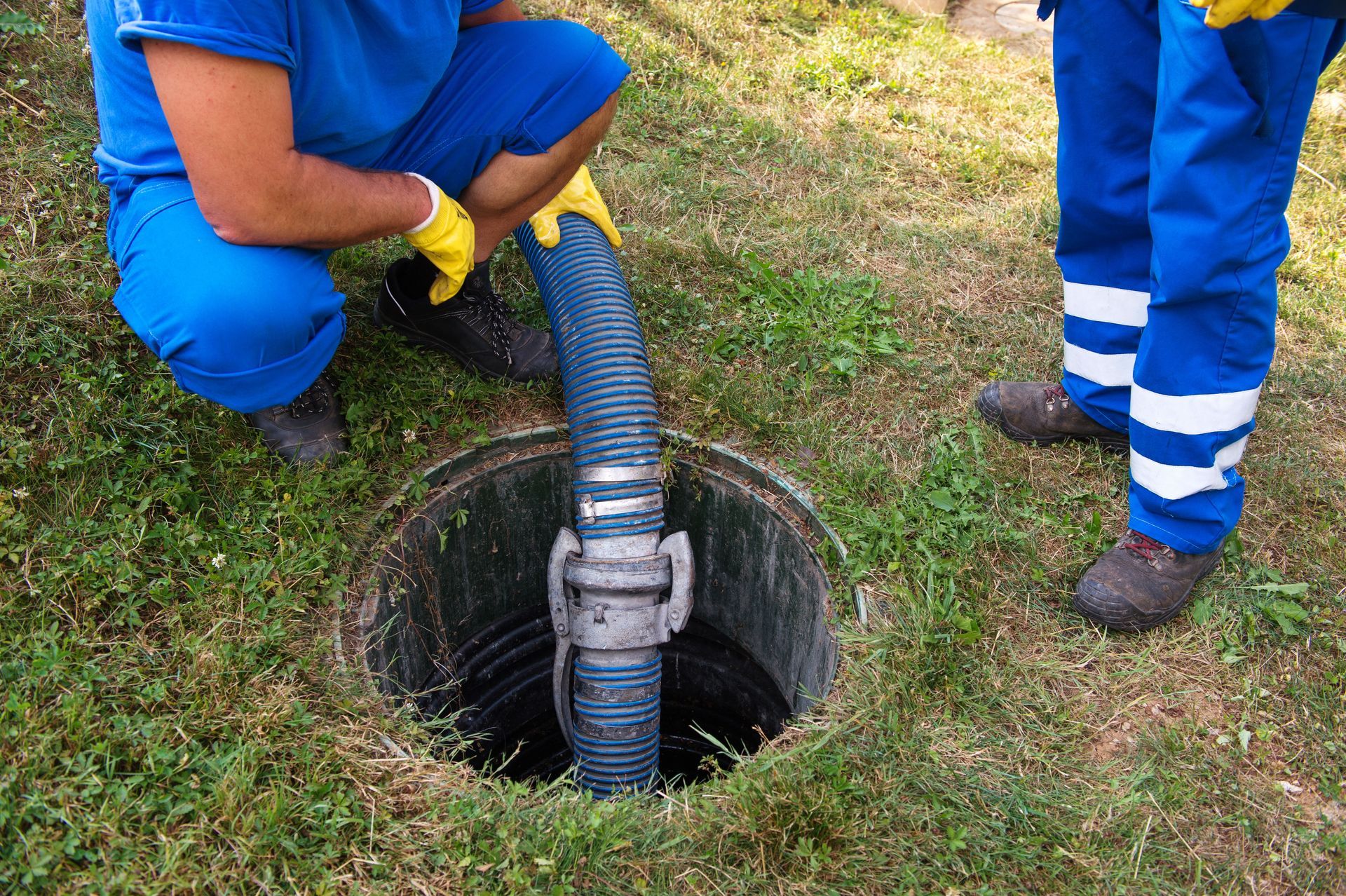
Scheduling local septic tank cleaning helps property owners manage accumulated waste and understand their systems' maintenance needs. Professional service also provides opportunities to identify developing concerns before they become more serious.
Maintaining Proper Waste Accumulation Levels
Understanding Solid Waste Buildup
Septic tanks separate wastewater into different layers as materials settle or float. Heavier solids accumulate at the bottom, while lighter materials form a layer near the surface. Over time, these deposits reduce the available space inside the tank.
Understanding Tank Storage Capacity
Tank size and household wastewater volume influence how quickly waste accumulates. Larger households may place greater demands on their systems. Professional evaluations consider these factors when discussing appropriate pumping and maintenance schedules.
Understanding Routine Pumping Needs
Removing accumulated solids is an essential part of septic maintenance. The appropriate service interval depends on tank capacity, occupancy, and usage patterns. Local septic tank cleaning professionals can assess conditions and recommend scheduling based on the property's actual needs.
Understanding Waste Removal Benefits
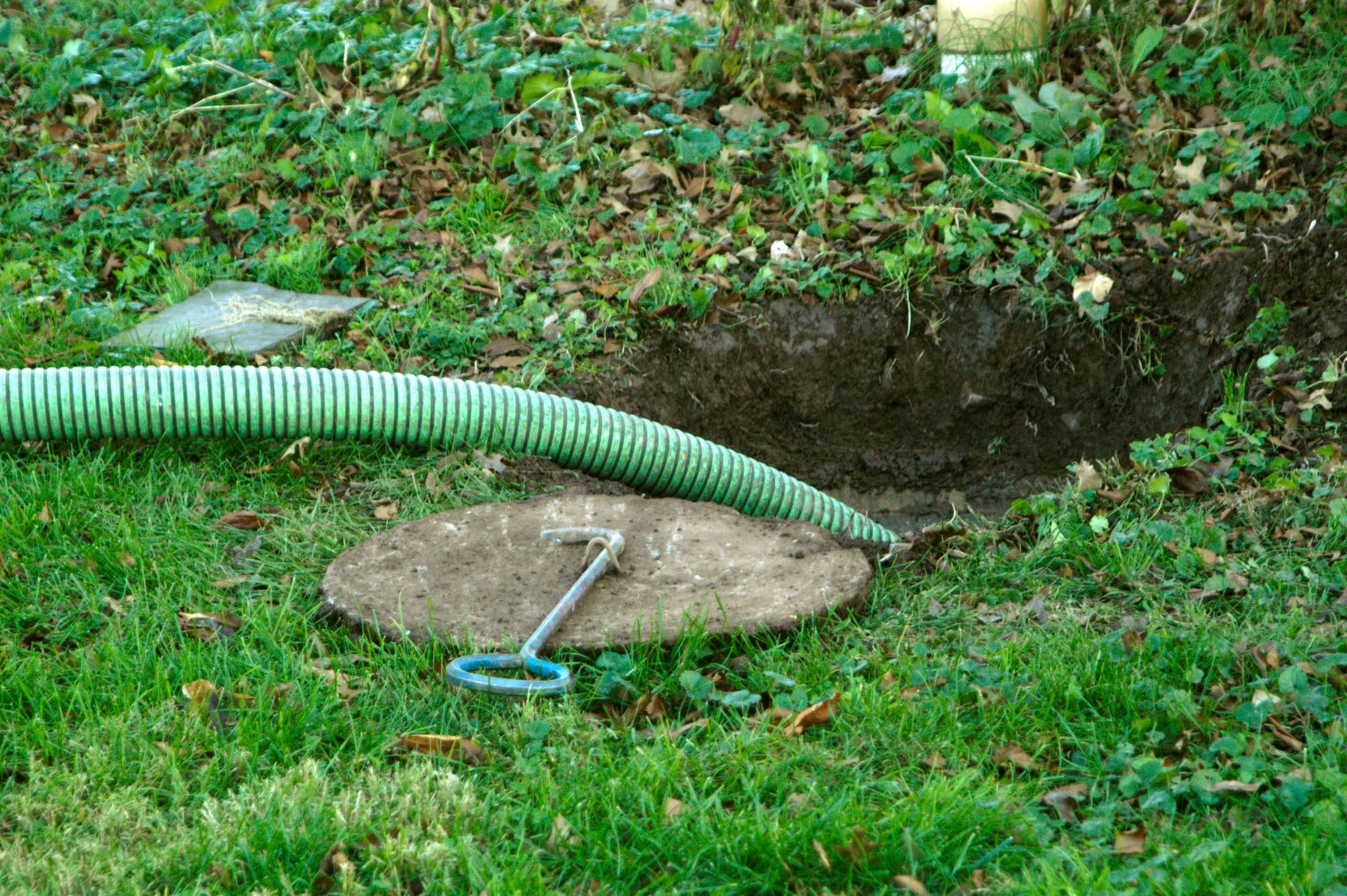
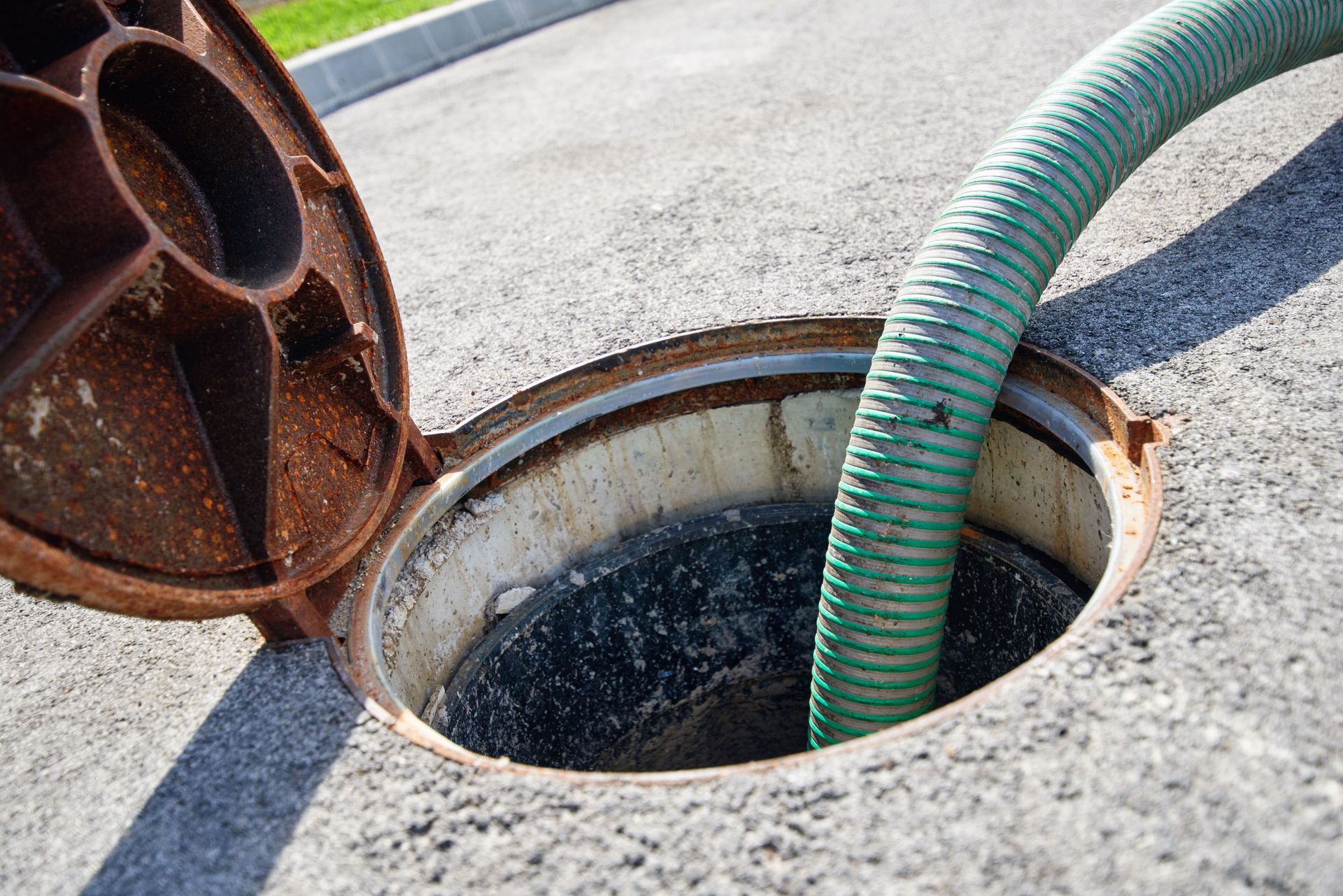
Professional pumping removes accumulated sludge and scum before excessive buildup interferes with normal treatment. This service helps maintain the tank's intended operating capacity. However, cleaning alone cannot correct damaged components or problems elsewhere in the wastewater system.
Maintaining Reliable Household Drainage
Recognizing Slow Drainage Symptoms
Slow sinks, showers, or toilets may indicate plumbing restrictions or septic system concerns. These symptoms can have several causes, making professional diagnosis important. Evaluating the complete wastewater system helps determine whether tank maintenance or another service is necessary.
Recognizing Recurring Plumbing Backups
Repeated backups can disrupt household activities and create sanitation concerns. A full tank, blocked piping, or malfunctioning components may contribute to the problem. Prompt professional attention helps identify the source and reduce additional wastewater exposure.
Recognizing Unusual Plumbing Sounds
Gurgling sounds sometimes accompany drainage restrictions or changes in wastewater movement. These noises do not automatically confirm a septic tank problem. Professional inspections help distinguish septic concerns from ordinary plumbing issues that require different repairs.
Recognizing Changes in System Performance
Homeowners familiar with their plumbing may notice changes in drainage speed or recurring odors. Such developments deserve attention, particularly when several fixtures are affected. Local septic tank cleaning services can form part of a broader evaluation when waste accumulation contributes to poor performance.
Maintaining Healthy Drainfield Conditions
Protecting Soil Treatment Areas
Drainfields allow partially treated wastewater to move through surrounding soil for additional treatment. These areas depend on appropriate wastewater distribution and suitable soil conditions. Excess solids leaving the tank can interfere with normal drainfield performance.
Protecting Wastewater Distribution Components
Septic systems may include distribution boxes, piping, and other components that direct wastewater toward treatment areas. Problems within these components can affect system performance. Professional evaluations help identify whether observed symptoms involve the tank or downstream equipment.
Protecting Against Excessive Saturation
Standing water or persistently wet ground near a drainfield may indicate drainage concerns. Heavy rainfall and other environmental conditions can also contribute. A qualified septic professional can assess the situation and determine whether additional investigation is necessary.
Protecting Long-Term Treatment Performance
Proper maintenance helps limit the movement of excessive solids into downstream components. Local septic tank cleaning supports this goal by removing accumulated material from the tank. Consistent care cannot eliminate every potential failure, but it remains an important preventive measure. Maintaining appropriate waste levels also helps support consistent wastewater movement through the system.
Maintaining Sanitary Property Conditions
Reducing Wastewater Exposure Risks
Untreated wastewater may contain microorganisms and other contaminants that present health concerns. Backups or surface discharge require prompt attention. Professional septic services help address maintenance problems while minimizing unnecessary contact with wastewater.
Reducing Persistent Odor Problems
Unpleasant odors around plumbing fixtures or septic components may indicate a problem requiring evaluation. Odors can originate from several sources, including ventilation and drainage issues. Professional diagnosis helps identify the cause rather than assuming the tank simply needs pumping.
Reducing Environmental Contamination Concerns
Malfunctioning septic systems can release inadequately treated wastewater into surrounding areas. Proper maintenance supports the system's intended treatment process. Local septic tank cleaning is one component of responsible wastewater management, alongside inspections and necessary repairs.
Reducing Disruptions to Outdoor Areas
Septic problems may affect lawns, landscaped spaces, or areas near wastewater components. Wet patches and unusual vegetation growth can sometimes indicate underlying concerns. Qualified professionals can investigate these symptoms without unnecessarily disturbing the property.
Maintaining Consistent Professional Oversight
Reviewing Septic Tank Conditions
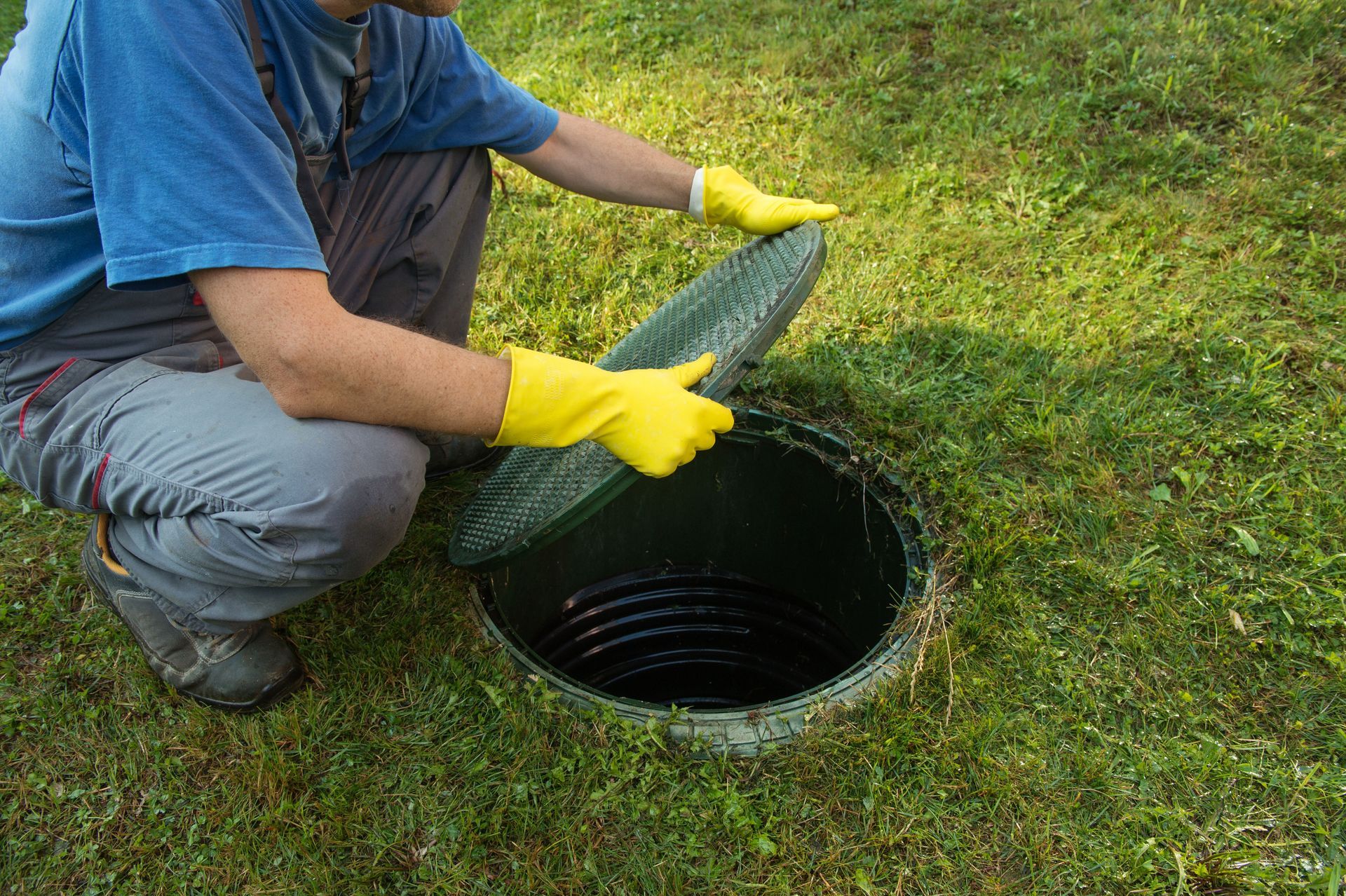
Professional maintenance appointments provide opportunities to assess visible tank conditions and accumulated waste levels. Service providers may identify concerns involving accessible components. Findings can help property owners understand whether additional inspection or repair work is appropriate.
Reviewing Service History Records
Documenting pumping dates and previous maintenance helps establish a clearer picture of system performance. Records may be useful when planning future service or discussing recurring problems. Consistent documentation also supports communication with septic professionals. These records can be especially helpful when household occupancy or wastewater usage changes over time.
Reviewing Available Local Expertise
According to IBISWorld, the United States had 7,756 businesses operating in the septic, drain, and sewer cleaning services industry in 2026. This figure illustrates the number of service providers participating in wastewater maintenance across the country.
Reviewing Future Maintenance Schedules
Septic maintenance intervals vary depending on household size, tank capacity, and wastewater usage. Local septic tank cleaning providers can discuss these considerations and recommend appropriate follow-up service. A personalized schedule is more useful than assuming every property requires identical maintenance.
Maintaining Long-Term System Value
Preventing Avoidable Maintenance Delays
Postponing septic service can allow solids to accumulate beyond recommended levels. This may increase the risk of performance problems. Regular professional attention helps property owners address maintenance needs before they become more disruptive.
Preventing Unexpected Household Expenses
Septic repairs can involve significant costs depending on the affected components and severity of the problem. Routine maintenance cannot prevent every failure, but it can address predictable waste accumulation. Property owners benefit from understanding these ongoing responsibilities.
Preventing Unnecessary System Strain
Excessive wastewater volume and accumulated solids can place additional demands on septic components. Professional evaluations help identify conditions that may affect performance. Appropriate maintenance supports the system's ability to manage normal household wastewater.
Preventing Long-Term Property Concerns
A functioning septic system contributes to the practical use and sanitation of a property. Neglected problems may complicate maintenance, repairs, or future property transactions. Local septic tank cleaning helps homeowners maintain an important part of their wastewater infrastructure.
Healthy septic systems depend on appropriate waste removal, functioning treatment components, and consistent professional oversight. Recognizing drainage changes and scheduling maintenance can help property owners address concerns before they lead to more extensive disruptions. Every system has different requirements, making personalized professional recommendations valuable. Consistent maintenance also provides greater peace of mind for homeowners managing long-term property responsibilities.
Ready to schedule local septic tank cleaning? Contact D & D Septic Tank Service today. Our team can discuss your system's maintenance needs, provide professional cleaning services, and help you plan appropriate care for reliable wastewater management.