March 12, 2026
Having a well-maintained septic system is crucial for any household relying on it for wastewater treatment. According to This Old House, the two types of septic tanks are anaerobic and aerobic. No matter which type you have, regular cleanings are a vital part of this maintenance. This blog will guide you on how to prepare your home effectively for septic tank cleanings, ensuring a seamless and efficient process.
Understanding Your Septic System Components
Before preparing for a septic tank cleaning, it's essential to understand the components of your septic system. Identifying the tank location is the first step, which usually involves looking for signs of the tank, such as depressions or subtle ground changes. Many tanks are buried about three feet underground, making this task a bit challenging without prior knowledge or proper documentation from when the septic tank was installed.
Recognizing signs of fullness is crucial for timely cleaning. Common indications include slow draining of water, gurgling sounds in the plumbing, or unpleasant odors emanating from the drains or the area near the septic tank. Understanding these signs helps in scheduling cleanings before the system reaches critical levels, preventing overflow or damage.
Knowing the type and capacity of your septic tank is also fundamental. Septic tanks are generally either anaerobic or aerobic, with the former being more common and consisting of bacteria that survive without oxygen, while the latter involves oxygen-dependent bacteria. This knowledge helps in understanding the maintenance needs and potential performance issues of your specific system.
Homeowners should also consider how household habits affect system performance. Excessive water use, flushing non-biodegradable materials, or pouring grease down drains can strain the system and shorten the time between septic tank cleanings. Being mindful of what enters the system helps maintain balance within the tank and supports proper breakdown of waste. Regular inspections by professionals can also help identify early issues such as cracks, root intrusion, or clogged lines before they develop into more costly repairs.
Scheduling a Cleaning Appointment
Scheduling a cleaning appointment involves choosing a qualified professional skilled in septic cleaning services. These experts are certified and have the technical experience required to handle the components of a septic system safely and efficiently. It's important to verify the credentials and reputation of the service provider to confirm quality service.
Considering seasonal timing is critical for optimal septic system maintenance. Most homeowners prefer to conduct these cleanings after heavy rains or snowmelt, as ground conditions can affect the accessibility and safety of the cleaning process. Furthermore, scheduling cleanings during dry periods helps avoid soil saturation, which can complicate the disposal of pumped waste.
Aligning with your septic maintenance plan is imperative for a structured cleaning schedule. This plan typically involves bi-annual cleanings, but it may vary depending on the household size and system capacity. It's also prudent to prepare a list of questions for the service provider regarding the cleaning process and potential system issues, increasing your understanding and supporting a comprehensive service.
Homeowners should also keep records of previous service visits and recommendations provided by technicians. Tracking this information makes it easier to determine when septic tank cleanings are due and helps identify recurring issues that may require additional attention or adjustments to the household's wastewater usage habits.
Ensuring Access to the Septic Tank
To guarantee a successful cleaning, ensuring access to the septic tank is pivotal. This process starts with clearing pathways to the tank and removing any physical blockages that may hinder access. A well-maintained pathway promotes the efficiency and safety of the service crew during the cleaning appointment.
Removing overgrown vegetation is equally important, as plants and roots can obscure the tank lid or infiltrate the system, causing damage. Maintaining an open, clear space around the septic area ensures unobstructed operation of the cleaning equipment. It also helps in protecting the roots of vegetation surrounding the tank from potential damage.
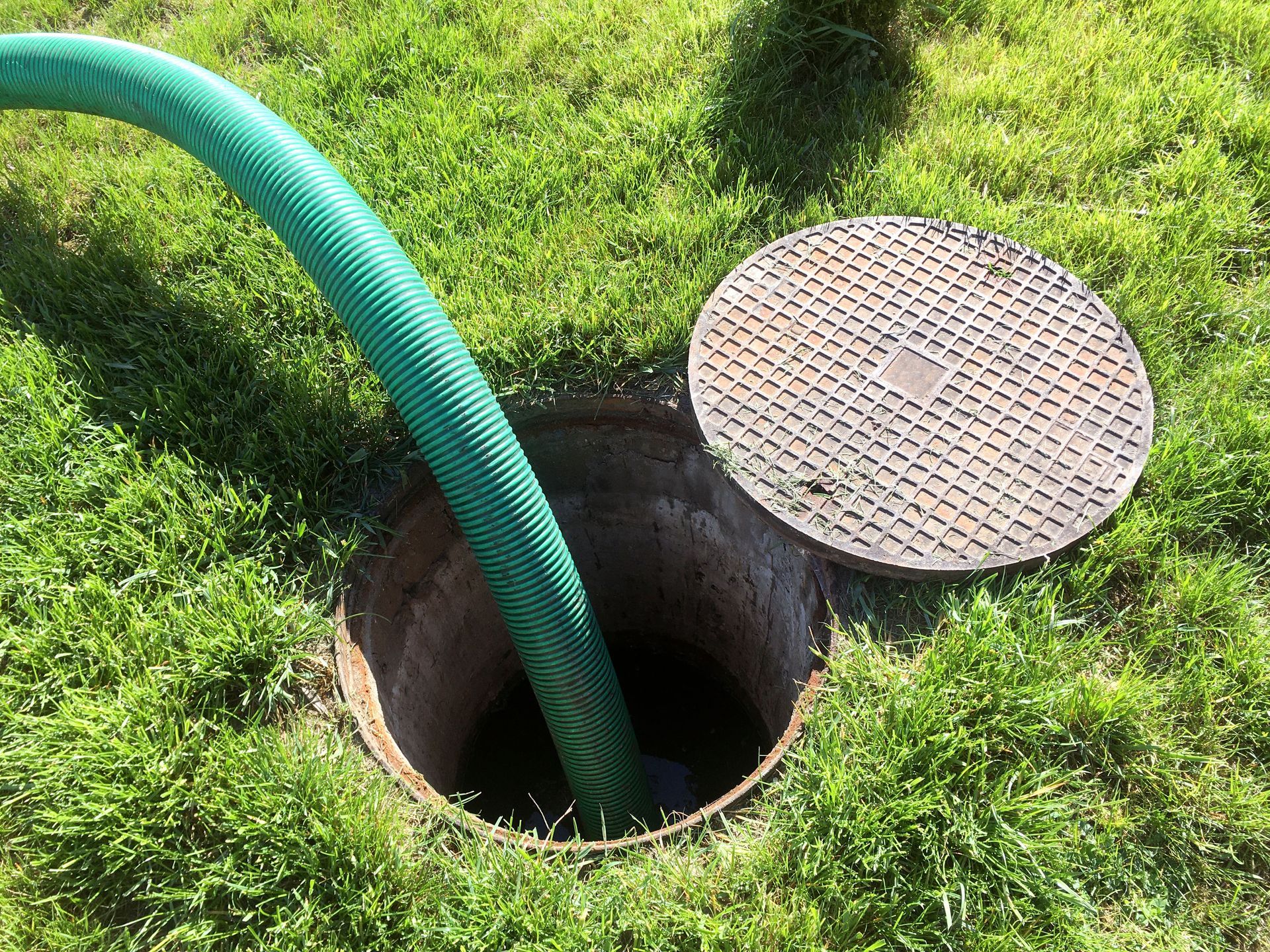
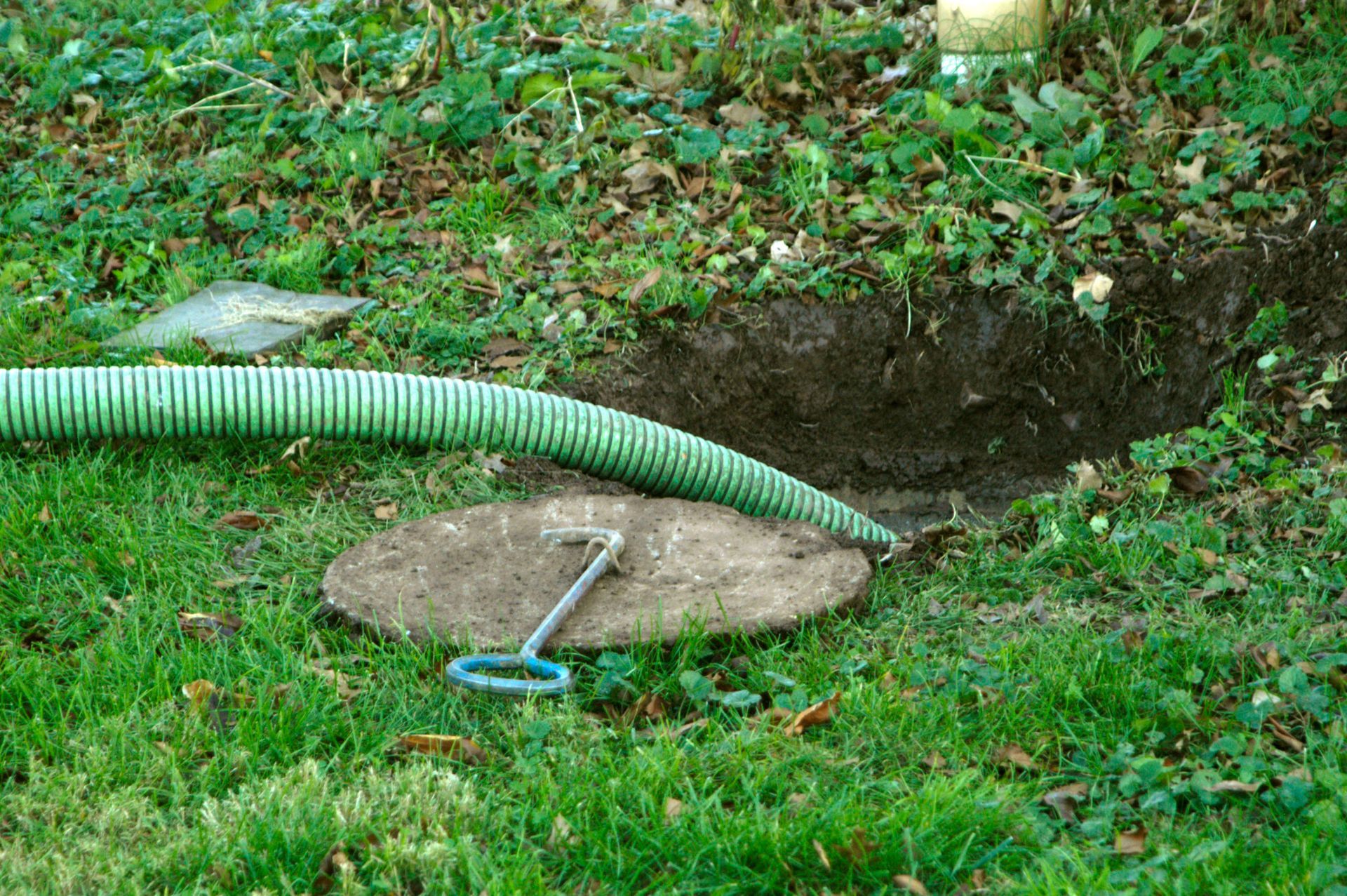
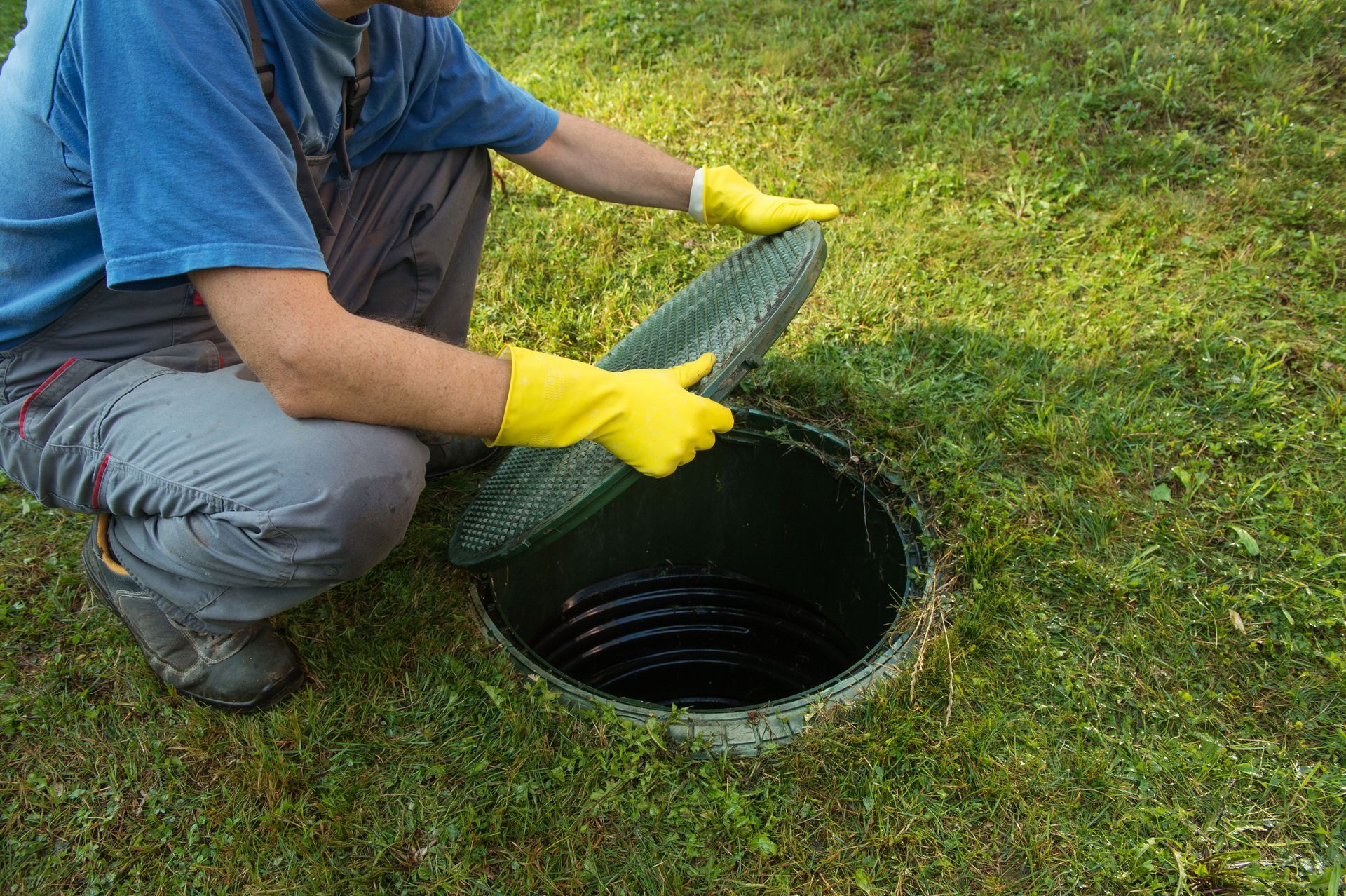
Uncovering the tank lid is also necessary before the cleaning team arrives. This step involves removing soil, grass, or any coverings placed over the lid for aesthetic purposes. Ensuring accessibility in all-weather conditions, such as ice or heavy rain, prevents delays and guarantees the service can proceed safely.
Protecting Your Property During the Cleaning Process
Safeguarding your landscape is fundamental when preparing for septic tank cleanings. Equipment and machinery used in the process can inadvertently damage your yard if precautions are not taken. It's advisable to mark boundaries around the septic tank area to ensure the service team is aware of sensitive zones.
Preparing the interior of your home involves ensuring that plumbing systems are in good working order. Reducing water usage before the service prevents overloading the system, which might counteract the cleaning process. This involves limiting activities such as laundry or using large volumes of water before the scheduled cleaning.
Communicating with the service team about any areas of concern in your home or yard can prevent misunderstandings. They should be aware of vulnerable areas that require caution, such as thin soil over pipes or recently planted areas near the septic tank. Identifying and supporting these areas ensures that the cleaning process doesn't inadvertently cause damage to your property.
Monitoring the Cleaning Process
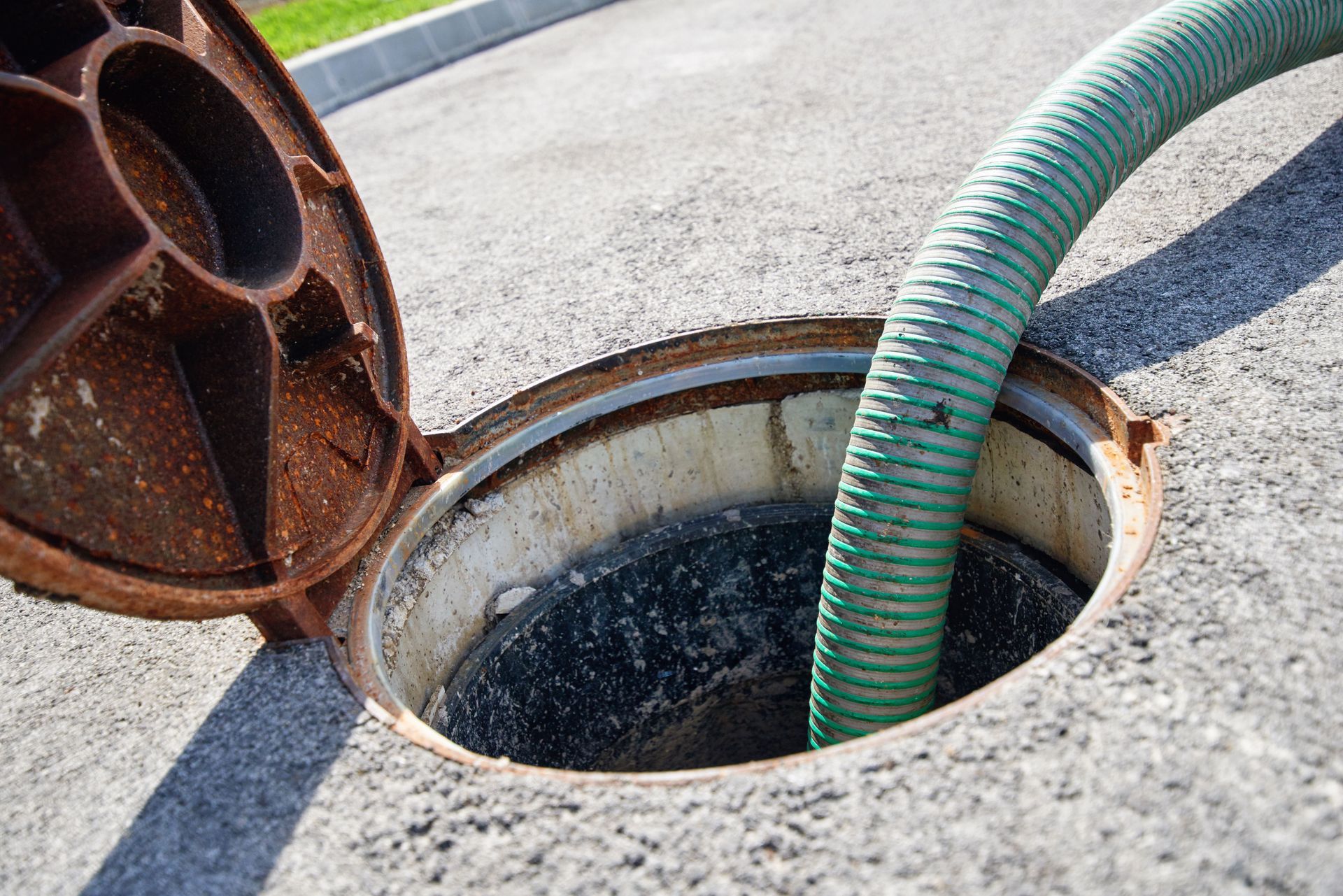
During the cleaning process, monitoring the pumping procedure allows homeowners to learn more about their system's functionality. Observing how much waste is removed and the condition of the tank can be insightful. Homeowners can note any irregularities or unusual findings for future reference.
Asking for feedback from the technician is an excellent way to gain professional insights into the health of your septic system. Technicians can provide recommendations based on the condition of the tank and its components, ensuring efficient and proper function. This feedback can be invaluable for making adjustments in usage or addressing potential issues early.
Noting any unusual observations during the cleaning, such as strong odors, persistent plumbing issues, or visible damage, is crucial. These observations can guide future maintenance efforts and help in identifying early signs of system failures. Reviewing the final report from the technician also provides a summary of the service and any recommended follow-ups, facilitating informed future scheduling of cleaning appointments.
Following Up After the Cleaning
After the cleaning, reevaluating septic system usage ensures long-term functionality. Implementing thoughtful wastewater management practices reduces the strain on the system, prolonging intervals between necessary cleanings. Increasing awareness about water usage and responsible disposal of waste contributes significantly to the upkeep of the system.
Understanding post-cleaning recommendations provided by the technician helps you make informed decisions on maintaining the septic system's efficiency. These recommendations might include modifications in usage habits or technological upgrades for older systems. Implementing these suggestions can lead to a more sustainable and robust septic infrastructure.
Keeping a record of cleaning history is vital for future reference and maintenance tracking. This includes documenting the type of service performed, dates, and any special notes from the technician. Educating all household members on proper septic care practices ensures a collective effort in preserving the system's health and functionality.
Preparing your home for septic tank cleanings is an essential part of home maintenance that ensures the longevity and efficiency of your septic system. By understanding your system, scheduling appropriately, and taking protective measures, you can facilitate a hassle-free cleaning process. Implementing these practices will contribute to a sustainable and healthy home environment. For septic tank cleanings, contact us at D & D Septic Tank Service today.